
Picking the best microphone for YouTube comes down to what actually works in real shooting situations, not whatever launched last week. This guide focuses on gear that covers the most scenarios with the least fuss.
Below is an AI-assisted summary of the key points and ideas covered in the video. For more detail, make sure to check out the full video above!
Best microphone for YouTube: buy-it-again shortlist
If all microphones disappeared tomorrow, the smartest move wouldn’t be chasing the latest and greatest. The best options are proven mics that handle studio, handheld, phone, camera, interviews, and travel situations.
This guide focuses on:
- Two top picks that cover most creators’ needs
- Honorable mentions for specific scenarios
- A simple way to choose based on shooting style (distance, indoors/outdoors, one person vs. two people)
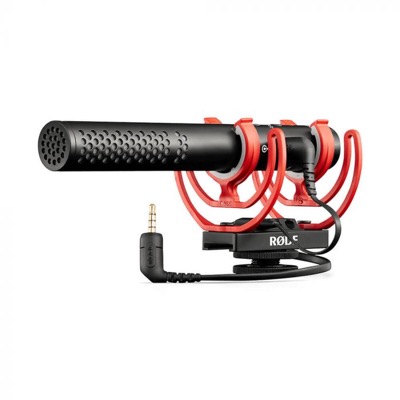
Top pick #1: RØDE VideoMic NTG (the do-it-all shotgun)
The RØDE VideoMic NTG (Amazon) is a very capable all-rounder. It works in a desk/podcast setup, boomed just out of frame, and mounted on top of a camera for run-and-gun filming.
Why it works so well
It’s a shotgun directional microphone, so it captures strong audio from the direction it points. That reduces a lot of background noise and echo that doesn’t hit the mic front-on.
Pointing the mic at the sound source makes it a great fit when clean dialogue is needed without turning the space into a fully treated studio.
Connection options (super flexible)
The RØDE VideoMic NTG (Amazon) covers multiple devices without fuss:
- USB-C to connect directly to a phone, iPad, or computer
- 3.5mm to plug into a computer or regular cameras
- 3.5mm headphone output for monitoring when using USB-C
Handy built-in controls and features
On-mic controls help adapt quickly instead of fixing everything in post:
- Volume control knob on the back
- Detachable foam windshield
- Buttons to enable high-pass filter, high frequency boost, and safety channel recording
Best use cases
This mic makes the most sense when solid audio is needed without a mic in the shot:
- Desk/podcast or interview-style filming
- Boomed just out of frame for talking-head content
- On-camera audio for handheld walk-and-talk filming
If one mic is needed to handle many scenarios, this is an easy recommendation.
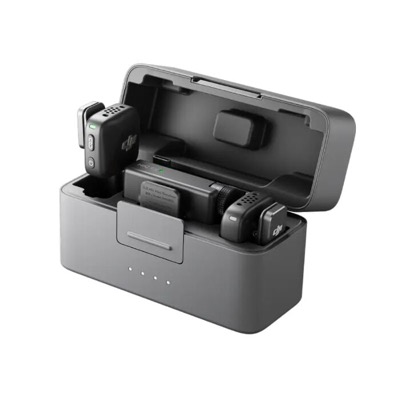
Top pick #2: DJI Mic Mini (wireless convenience that actually gets used)
The DJI Mic Mini gets grabbed most often for out-and-about shooting. It works on phones, connects to computers, and hooks to regular cameras.
Buy options (and the key quality tip)
There are a few ways to purchase the system:
- Mic only (works over Bluetooth)
- With DJI’s receiver (delivers much better quality audio than Bluetooth)
If audio quality matters, using the receiver is the smarter play.
Connections and compatibility
This system stays flexible across devices:
- USB connection for phones, computers, and other devices
- 3.5mm jack for hooking into cameras
Usability: fast setup, low hassle
This is where the DJI Mic Mini really shines, especially when “done is better than perfect” matters:
- Buy a single mic or a two-pack
- Some bundles include a charging/carry case
- Drop the mics in the case and they auto-charge
- Pull them out, plug the receiver into the device, and recording is ready
- No annoying pairing or syncing process
That’s a big win for creators building reliable systems.
Battery life (properly impressive)
Battery life stands out. In a real backup-recording situation, the mics handled an entire 12-hour day and still had around half the battery left afterward.
DJI Mic Mini vs. DJI Mic Mini 2
The DJI Mic Mini 2 exists now, and the difference in audio quality isn’t huge. If there’s a big price gap, the original DJI Mic Mini can be the better value.
The honest drawback
These mics are not perfect. Audio quality is decent but not the best, and better-sounding mics exist at much higher price points. For most people, the usability plus flexibility makes this the best bang for the buck.
Want next-level wireless? (better audio + backup recording)
If the goal is a step up toward more professional audio features, consider options that offer:
- 32-bit float recording to avoid clipping when levels get too hot
- Built-in recording on the mic itself so audio still exists if a camera switches off mid-shoot
Two options called out for that next level:
- DJI Mic 3
- RØDE Wireless PRO
Both represent a significant step up in price.
Honorable mention: RØDE VideoMic Me-C+ (tiny phone shotgun)
The RØDE VideoMic Me-C+ (Amazon) is a small shotgun mic that plugs straight into a phone via USB. It’s simple, compact, and fits easily in a backpack.
When it’s the best pick
This one makes sense when filming on a phone and staying close to the mic. It delivers better audio than the built-in phone mic without the hassle of wireless for quick moments. It won’t replace wireless solutions when distance is needed, but for quick phone filming it’s a handy option.
How to choose the right mic for the setup
Match the mic to the job and prioritize low-hanging fruit:
- Shooting indoors or outdoors? Directional mics help reduce echo and background noise.
- Need distance between talent and mic? Choose wireless.
- Recording more than one person? Pick a system that supports multiple mics, like a two-pack.
Focus on one mic that aligns with typical shooting scenarios, then standardize a repeatable setup.
Lock in better audio this week
Pick one mic that matches how shooting actually happens, then build a repeatable setup around it. A directional shotgun like the RØDE VideoMic NTG (Amazon) covers studio and on-camera work. The DJI Mic Mini nails fast wireless audio on phones and cameras. Add the tiny RØDE VideoMic Me-C+ (Amazon) for quick phone upgrades when wireless feels like overkill.
Stack small improvements every shoot and the audio quality jump becomes noticeable and addictive.